

Last updated: August 2026
Welcome to Zanzibar (Zanzibar-Hakuna Matata!)
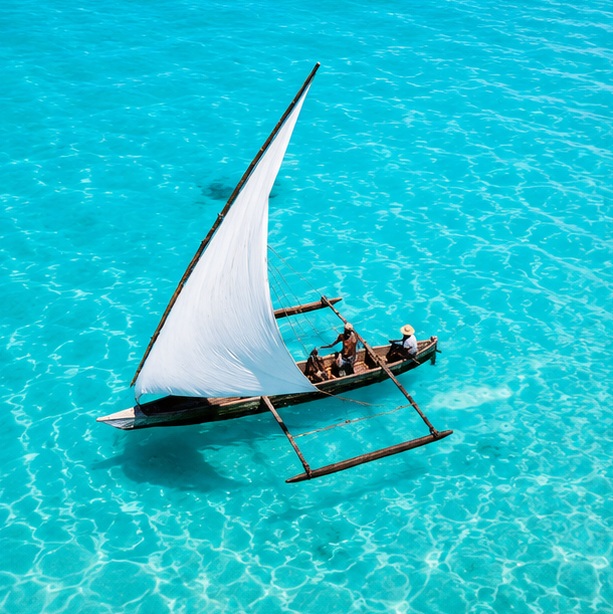
Imagine waking up to the sound of gentle waves, spending your mornings exploring centuries-old alleyways scented with cloves and cinnamon, and ending the day watching a traditional wooden dhow glide across the Indian Ocean at sunset. That’s the magic of Zanzibar.
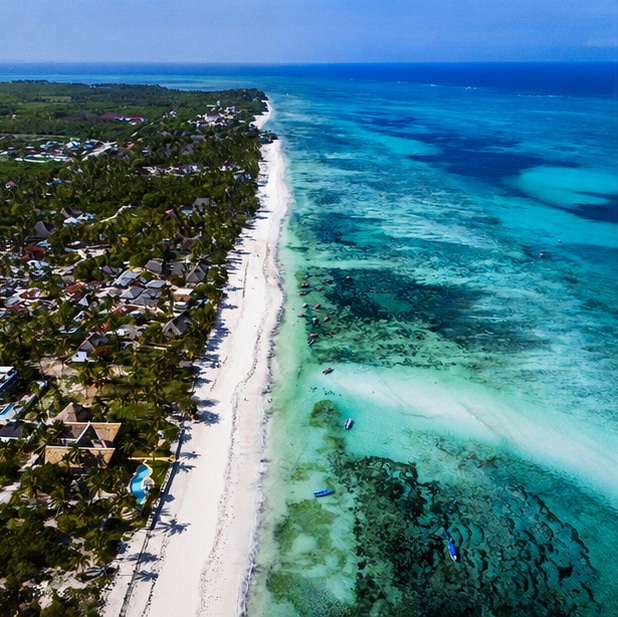
Located just off the coast of mainland Tanzania, Zanzibar is one of Africa’s most sought-after island destinations. The archipelago is renowned for its powder-white beaches, crystal-clear turquoise waters, vibrant coral reefs, fascinating history and welcoming Swahili culture. Whether you’re planning a relaxing beach holiday, an unforgettable honeymoon, a family getaway or an adventure packed with diving, snorkelling and cultural experiences, Zanzibar offers something for every type of traveller.
The islands are also the perfect complement to a Tanzanian safari. Many visitors spend several days exploring the Serengeti, Ngorongoro Crater or Tarangire National Park before heading to Zanzibar to unwind on the coast. This combination of wildlife and tropical beaches has made Tanzania one of Africa’s most popular holiday destinations.
After having been to Zanzibar ourself, we decided to put together this complete Zanzibar travel guide covering everything you need to know before your trip, including the best time to visit, the island’s top attractions, where to stay, how to get around, travel costs, local food, safety advice and practical tips to help you make the most of your holiday.
Whether you’re travelling from Europe, Africa, the Middle East or beyond, Zanzibar promises an unforgettable escape where rich history, breathtaking scenery and warm hospitality come together in one extraordinary destination.
Zanzibar at a Glance
| Quick Fact | Information |
|---|---|
| Country | Tanzania |
| Region | Zanzibar (Semi-autonomous region of Tanzania) |
| Main Island | Unguja (commonly called Zanzibar) |
| Other Major Island | Pemba |
| Capital | Zanzibar City (Stone Town) |
| Main Airport | Abeid Amani Karume International Airport (ZNZ) |
| Currency | Tanzanian Shilling (TZS) |
| Time Zone | East Africa Time (GMT+3) |
| Official Language | Swahili |
| English Spoken? | Yes, especially in tourist areas |
| Religion | Predominantly Islam |
| Best Time to Visit | June to October and December to February |
| Flight Time from Europe | From around 9 hours (depending on departure city and connections) |
| Electricity | Type D & G plugs, 230V |
| International Dialling Code | +255 |
Where is Zanzibar?
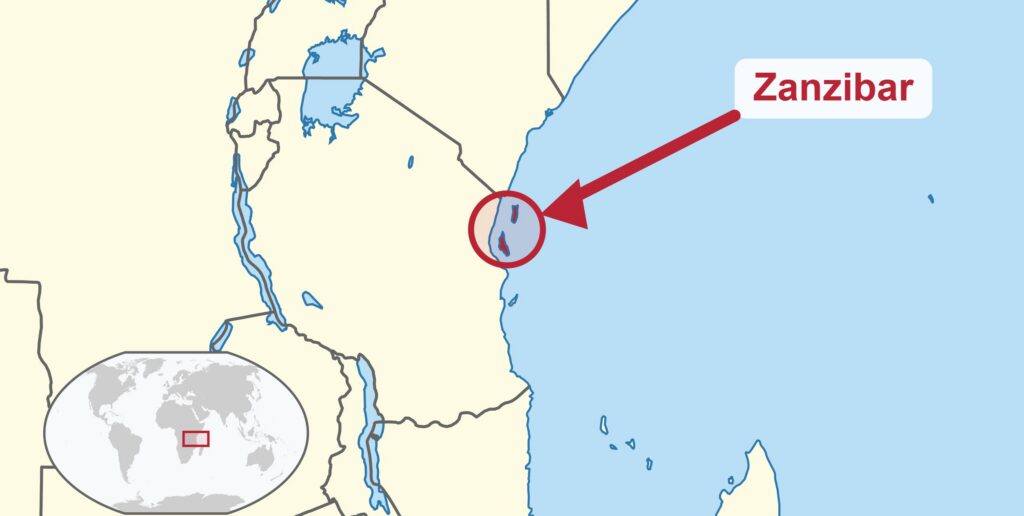
Zanzibar is a tropical archipelago located approximately 25–50 kilometres off the eastern coast of mainland Tanzania in the Indian Ocean. Although many people refer to Zanzibar as a single island, it actually consists of more than 50 islands and islets, with Unguja being the largest and most visited. The neighbouring island of Pemba is known for its lush landscapes, spice plantations and exceptional diving, while smaller islands such as Mnemba, Chumbe and Prison Island are popular for day trips and marine experiences.
The archipelago enjoys a strategic position along historic Indian Ocean trade routes and has been influenced over the centuries by African, Arab, Persian, Indian and European cultures. These influences are still visible today in the island’s architecture, cuisine, traditions and way of life, particularly in the historic streets of Stone Town.
The main gateway to Zanzibar is Abeid Amani Karume International Airport (ZNZ), located around 5 kilometres south of Stone Town. The airport handles domestic flights from mainland Tanzania as well as international services from Africa, Europe and the Middle East.
Most international visitors reach Zanzibar via one-stop flights through major hubs such as:
- Doha
- Dubai
- Addis Ababa
- Nairobi
- Istanbul
- Dar es Salaam
Direct access from many European cities has improved in recent years, making Zanzibar more accessible than ever for holidaymakers seeking winter sun or a tropical beach escape.
Why Visit Zanzibar?
Zanzibar is much more than a beach destination. While its idyllic coastline is undoubtedly one of its biggest attractions, the islands offer an exceptional mix of culture, history, nature and adventure that few destinations can match.
One day you can wander through UNESCO-listed Stone Town, discovering bustling markets and intricately carved wooden doors that tell stories of centuries-old trade routes. The next, you could be snorkelling among colourful coral reefs, sailing aboard a traditional dhow at sunset or relaxing beneath swaying palm trees on some of the finest beaches in the Indian Ocean.
Spectacular Beaches
From the lively shores of Nungwi and Kendwa in the north to the peaceful villages of Jambiani, Paje and Matemwe, Zanzibar offers beaches to suit every style of traveller. Whether you prefer luxury resorts, boutique hotels or quiet stretches of sand, you’ll find plenty of places to relax by the sea.
Rich History and Culture
Zanzibar’s unique heritage has been shaped by centuries of trade between Africa, Arabia, Persia, India and Europe. This cultural blend is reflected in its architecture, language, music, cuisine and traditions, making the islands one of East Africa’s most culturally fascinating destinations.
Stone Town, the historic heart of Zanzibar City, is recognised as a UNESCO World Heritage Site and remains one of the best-preserved Swahili trading towns in East Africa.
Incredible Marine Life
The warm waters surrounding Zanzibar are home to vibrant coral reefs, tropical fish, dolphins, sea turtles and seasonal whale sharks. Divers and snorkellers can explore some of the Indian Ocean’s most beautiful underwater ecosystems, particularly around Mnemba Atoll and Chumbe Island.
The Famous Spice Island
Often referred to as the “Spice Island,” Zanzibar has been producing cloves, cinnamon, nutmeg, vanilla and black pepper for centuries. Visiting a traditional spice farm is one of the island’s most popular experiences, offering visitors the chance to see, smell and taste the spices that have shaped Zanzibar’s history and economy.
Adventure and Relaxation
Whether you’re interested in kitesurfing in Paje, deep-sea fishing, paddleboarding, scuba diving, island hopping or simply enjoying a peaceful afternoon by the pool with ocean views, Zanzibar offers the perfect balance between adventure and relaxation.
Ideal for Every Type of Traveller
Zanzibar appeals to a wide range of visitors, including:
- Couples looking for a romantic honeymoon destination.
- Families seeking safe beaches and family-friendly resorts.
- Solo travellers interested in culture and adventure.
- Divers and snorkellers exploring world-class reefs.
- Luxury travellers searching for exclusive beachfront villas.
- Budget travellers discovering affordable guesthouses and local experiences.
- Safari enthusiasts adding a tropical beach extension to their Tanzanian wildlife adventure.
Few destinations offer such diversity within a relatively small area, making Zanzibar an excellent choice whether you’re visiting for a long holiday or a short tropical getaway.
How to Get to Zanzibar
Getting to Zanzibar has never been easier, with excellent air connections from Europe, Africa, the Middle East and Asia. Although there are relatively few direct long-haul flights, most international travellers can reach the island with just one stop via a major airline hub. The main gateway is Abeid Amani Karume International Airport (ZNZ), located approximately 5 kilometres south of Stone Town. The airport welcomes domestic, regional and international flights throughout the year and serves as the primary arrival point for visitors exploring the island.
Flying from Europe
Travellers from Europe can reach Zanzibar via one-stop connections through major aviation hubs. Depending on your departure city and airline, total journey times typically start from around 9 hours, although most itineraries range between 10 and 15 hours.
Popular departure cities include:
- London
- Amsterdam
- Frankfurt
- Paris
- Brussels
- Zurich
- Manchester
- Dublin
- Lisbon
- Munich
Most flights involve a connection before continuing to Zanzibar.
Major Airlines Flying to Zanzibar
Several world-class airlines operate regular services to Zanzibar, including:
- Qatar Airways (via Doha)
- Emirates (via Dubai)
- Turkish Airlines (via Istanbul)
- Ethiopian Airlines (via Addis Ababa)
- Kenya Airways (via Nairobi)
- KLM (selected seasonal services and partner connections)
- Air Tanzania
- Precision Air
- Oman Air (seasonal schedules)
- FlyDubai (selected connections)
The choice of airline often depends on your departure city, travel dates and preferred connection point.
Common Connecting Airports
Most international itineraries connect through one of these major hubs:
| Hub | Why It’s Popular |
|---|---|
| Doha (DOH) | Extensive European connections with Qatar Airways |
| Dubai (DXB) | Convenient one-stop option with Emirates |
| Addis Ababa (ADD) | Efficient African hub with Ethiopian Airlines |
| Nairobi (NBO) | Regional gateway with Kenya Airways |
| Istanbul (IST) | Wide European network with Turkish Airlines |
| Dar es Salaam (DAR) | Frequent domestic flights to Zanzibar |
If you’re already travelling within Tanzania, domestic flights between Dar es Salaam and Zanzibar take approximately 20–30 minutes, making it easy to combine a mainland safari with a beach holiday.
Arriving from a Tanzanian Safari
One of Zanzibar’s biggest attractions is how seamlessly it combines with Tanzania’s famous national parks. Many travellers spend several days on safari before flying directly to the island to relax.
Popular safari destinations combined with Zanzibar include:
- Serengeti National Park
- Ngorongoro Crater
- Tarangire National Park
- Lake Manyara National Park
- Ruaha National Park
- Nyerere National Park (formerly Selous)
Several domestic airlines operate scheduled flights between safari airstrips and Zanzibar, reducing travel time and avoiding lengthy road transfers.
Airport Transfers
After arriving at Zanzibar International Airport, reaching your accommodation is straightforward.
Available transport options include:
- Hotel airport transfers
- Licensed airport taxis
- Private transfer services
- Car hire
- Pre-booked shuttle services
Approximate driving times:
| Destination | Travel Time |
|---|---|
| Stone Town | 15 minutes |
| Nungwi | 1 hour 20 minutes |
| Kendwa | 1 hour 20 minutes |
| Paje | 1 hour |
| Jambiani | 1 hour 10 minutes |
| Matemwe | 1 hour 15 minutes |
Many hotels and resorts can arrange transfers before your arrival, offering a convenient and stress-free start to your holiday.

Do You Need a Yellow Fever Vaccine for Zanzibar?
One of the most frequently asked questions when planning a trip to Zanzibar is whether a yellow fever vaccination is required. The answer depends on where you’re travelling from and whether you’ve recently visited or transited through a country where yellow fever is present.
Travelling from Europe, the UK or Ireland
If you’re travelling directly to Zanzibar from countries such as the United Kingdom, Ireland or most European countries, you generally do not need a yellow fever vaccination certificate, provided you have not recently travelled through a country where yellow fever is a risk.
When Is a Yellow Fever Certificate Required?
You may be asked to show proof of yellow fever vaccination if you are arriving from, or have spent time in, a country with a risk of yellow fever transmission. This can also apply if you have had a long airport transit in one of these countries before travelling to Tanzania. If your itinerary includes destinations in parts of East, Central or West Africa, it’s worth checking the latest entry requirements before you travel.
Should You Get the Vaccine Anyway?
Even if a yellow fever certificate is not required for your trip, it’s a good idea to speak to a travel health clinic before travelling. They can advise whether the vaccine, or any other travel vaccinations is recommended based on your itinerary and medical history.
Other Health Precautions
Before travelling to Zanzibar, consider discussing the following with your healthcare provider:
- Hepatitis A
- Typhoid
- Tetanus booster
- Hepatitis B (for longer stays)
- Rabies (if you’ll have close contact with animals)
- Malaria prevention, including mosquito bite protection and antimalarial medication where appropriate
Check Before You Fly
Health and entry requirements can change, so always check the latest advice from the Tanzanian immigration authorities, your country’s foreign travel advisory service or a qualified travel health clinic before departure. If your journey includes transit through another African country, verify whether a yellow fever vaccination certificate may be required for entry into Zanzibar.
Best Time to Visit Zanzibar
Thanks to its tropical climate, Zanzibar is a year-round destination with warm temperatures throughout the year. Average daytime temperatures generally range between 28°C and 33°C, while the Indian Ocean remains pleasantly warm for swimming in every season. That said, some months offer more reliable sunshine, calmer seas and better diving conditions than others. The best time to visit depends on the type of holiday you’re planning.
June to October – The Best Overall Time to Visit
This is widely regarded as the ideal time to visit Zanzibar. Following the long rainy season, the weather becomes warm, dry and less humid, creating excellent conditions for sightseeing, beach holidays and water sports.
During these months you can expect:
- Sunny days with clear blue skies
- Comfortable humidity levels
- Pleasant evening temperatures
- Calm seas and excellent visibility for diving
- Fantastic conditions for snorkelling and sailing
- Ideal weather for exploring Stone Town
As this is the peak tourist season, accommodation prices tend to be higher, especially during July and August. Booking flights and hotels several months in advance is recommended.
Best for:
- First-time visitors
- Families
- Honeymooners
- Diving and snorkelling
- Safari and beach combinations
December to February – Hot, Sunny and Perfect for Beaches
The months around Christmas and New Year bring another excellent period for visiting Zanzibar. Temperatures are warmer than in the middle of the year, making this a favourite time for travellers seeking winter sunshine.
Expect:
- Hot, sunny weather
- Warm ocean temperatures
- Excellent beach conditions
- Great diving and snorkelling
- Vibrant festive atmosphere
This is also one of the busiest travel periods, particularly over Christmas and New Year, when demand for flights and accommodation is high.
Best for:
- Winter escapes
- Beach holidays
- Honeymoons
- Couples
- Water sports
March to May – Long Rainy Season
This period marks Zanzibar’s main rainy season.
Heavy tropical showers are common, particularly during April, and while it rarely rains all day, prolonged rainfall can affect beach activities, island excursions and visibility for diving. Travellers who don’t mind occasional rain may benefit from:
- Lower hotel prices
- Fewer tourists
- Quieter beaches
- Greater accommodation availability
However, some hotels and tour operators reduce services or close temporarily for maintenance during the wettest weeks.
Best for:
- Budget-conscious travellers
- Visitors seeking quieter beaches
- Flexible itineraries
November – Short Rains
November usually brings shorter, less intense showers than the long rainy season. Rain often falls in brief afternoon or evening bursts, leaving plenty of sunshine during the day. Travellers visiting during this period can often enjoy:
- Warm temperatures
- Fewer crowds
- Attractive hotel offers
- Good beach weather between showers
Weather can vary from year to year, but November remains a reasonable option for those looking to avoid peak-season prices.
Zanzibar Weather by Month
The table below provides a quick overview of what to expect throughout the year.
| Month | Weather | Average Temp. | Crowds | Beach Conditions | Recommended? |
|---|---|---|---|---|---|
| January | Hot and sunny | 31°C | High | ★★★★★ | ⭐⭐⭐⭐⭐ |
| February | Hot and dry | 32°C | High | ★★★★★ | ⭐⭐⭐⭐⭐ |
| March | Increasing rainfall | 31°C | Medium | ★★★☆☆ | ⭐⭐⭐ |
| April | Wettest month | 29°C | Low | ★★☆☆☆ | ⭐⭐ |
| May | Rain easing | 29°C | Low | ★★★☆☆ | ⭐⭐⭐ |
| June | Dry and pleasant | 28°C | Medium | ★★★★★ | ⭐⭐⭐⭐⭐ |
| July | Cool, dry and sunny | 28°C | High | ★★★★★ | ⭐⭐⭐⭐⭐ |
| August | Sunny and comfortable | 28°C | High | ★★★★★ | ⭐⭐⭐⭐⭐ |
| September | Warm and dry | 29°C | Medium | ★★★★★ | ⭐⭐⭐⭐⭐ |
| October | Excellent beach weather | 30°C | Medium | ★★★★★ | ⭐⭐⭐⭐⭐ |
| November | Short rains | 30°C | Medium | ★★★★☆ | ⭐⭐⭐⭐ |
| December | Hot and sunny | 31°C | High | ★★★★★ | ⭐⭐⭐⭐⭐ |
When Should You Visit?
If you’re looking for the best all-round experience, plan your trip between June and October, when the weather is consistently sunny, humidity is lower and outdoor activities are at their best. If you’re escaping the European winter, December to February offers excellent beach weather, warm seas and plenty of sunshine, making it one of the most popular times to visit. Travellers on a tighter budget may find March, May or November appealing, as accommodation prices are often lower and popular attractions are less crowded, although occasional rain should be expected. No matter when you visit, Zanzibar’s warm climate, turquoise waters and relaxed island atmosphere ensure there’s always something special waiting to be discovered.
Top Things to Do in Zanzibar
Whether you’re visiting for a few days or spending a week exploring the island, Zanzibar offers an incredible mix of history, culture, wildlife and outdoor adventures. From wandering through centuries-old streets to diving among colourful coral reefs, every day brings a new experience. Here are some of the best things to do during your Zanzibar holiday.
Explore Stone Town
No visit to Zanzibar is complete without spending time in Stone Town, the historic heart of Zanzibar City and a UNESCO World Heritage Site. Once one of the most important trading centres on the East African coast, Stone Town reflects centuries of African, Arab, Persian, Indian and European influence. Its maze of narrow streets, bustling markets and beautifully carved wooden doors tell the story of an island shaped by global trade and cultural exchange. Allow yourself plenty of time to wander through the winding alleyways, where you’ll discover everything from local cafés and souvenir shops to mosques, historic buildings and hidden courtyards.
Highlights include:
- The House of Wonders (Beit al-Ajaib)
- The Old Fort
- The Old Dispensary
- Freddie Mercury Museum
- Anglican Cathedral and former slave market
- Darajani Market
- Forodhani Gardens
- Traditional Swahili architecture
- Sunset views along the seafront
Many guided walking tours also explain Zanzibar’s important role in the spice trade and its complex history connected to Indian Ocean commerce.
Recommended time: Half-day to full-day.
Relax on Nungwi Beach
Located on the northern tip of the island, Nungwi Beach is one of Zanzibar’s most famous destinations, and for good reason. Unlike many beaches on the eastern coast, tides have less impact here, meaning you can swim throughout most of the day. The beach combines powder-soft white sand with calm turquoise waters, making it ideal for swimming, paddleboarding and simply relaxing beneath a palm tree. Nungwi also has one of the liveliest atmospheres on the island, with beach restaurants, cafés, bars and sunset cruises departing each evening.
Best for:
- Swimming
- Luxury resorts
- Honeymooners
- Families
- Sunset cruises
- Beach nightlife
- Water sports
If you’re looking for postcard-perfect Zanzibar scenery, Nungwi rarely disappoints.
Unwind at Kendwa Beach
Just a short drive south of Nungwi lies Kendwa Beach, another spectacular stretch of coastline known for its crystal-clear water and relaxed atmosphere. Kendwa is often considered one of the best beaches for swimming because tidal changes are less noticeable than elsewhere on the island. The beach is also famous for its breathtaking sunsets, making it a favourite for couples and photographers. Compared with Nungwi, Kendwa offers a quieter atmosphere while still providing excellent restaurants and beachfront accommodation.
Perfect for:
- Couples
- Families
- Swimming
- Beach walks
- Sunset photography
- Relaxing holidays
If you’re looking for a peaceful tropical escape, Kendwa is an excellent choice.
Discover Paje
On Zanzibar’s southeast coast, Paje has become one of East Africa’s premier kitesurfing destinations. Consistent winds, shallow lagoons and long sandy beaches create ideal conditions for both beginners and experienced riders. Numerous schools offer lessons and equipment hire throughout the year. Beyond kitesurfing, Paje has developed into a vibrant destination for younger travellers, digital nomads and backpackers, with boutique hotels, beach cafés and lively nightlife.
Activities include:
- Kitesurfing
- Paddleboarding
- Beach cafés
- Yoga retreats
- Remote working
- Cycling
- Snorkelling
Despite its growing popularity, Paje retains a laid-back atmosphere that’s easy to fall in love with.
Experience Authentic Zanzibar in Jambiani
Just south of Paje lies the peaceful fishing village of Jambiani. Unlike the busier northern beaches, Jambiani offers a more authentic glimpse into local island life. Traditional fishing boats line the shore, women harvest seaweed during low tide and local cafés serve freshly caught seafood overlooking the Indian Ocean. The slower pace makes it ideal for travellers seeking relaxation away from larger resorts.
Why visit Jambiani?
- Quiet beaches
- Boutique hotels
- Traditional fishing village
- Local seafood restaurants
- Authentic Swahili culture
- Long coastal walks
Jambiani is particularly popular with couples and travellers looking for a peaceful retreat.
Stay Near Mnemba at Matemwe
Located on Zanzibar’s northeast coast, Matemwe is known for its luxury beachfront resorts and easy access to Mnemba Atoll, one of Africa’s finest marine reserves. The beach itself is quiet and less developed than Nungwi or Paje, making it ideal for visitors wanting privacy and relaxation. Many dive operators depart directly from Matemwe.
Best for:
- Luxury holidays
- Honeymoons
- Diving
- Snorkelling
- Quiet beaches
- Ocean-view resorts
Visit a Traditional Spice Farm
Zanzibar’s nickname, “The Spice Island,” dates back centuries when cloves became one of the island’s most valuable exports. Today, guided spice tours remain one of the most popular cultural experiences on the island. Walking through lush plantations, visitors can see, smell and taste spices growing naturally while learning about their traditional uses in cooking, medicine and cosmetics.
You’ll often encounter:
- Cloves
- Cinnamon
- Vanilla
- Nutmeg
- Black pepper
- Cardamom
- Turmeric
- Lemongrass
Many tours finish with a traditional Swahili lunch prepared using freshly harvested spices. These experiences provide fascinating insight into one of Zanzibar’s most important industries.
Go Snorkelling at Mnemba Atoll
If there’s one snorkelling trip to prioritise, it’s Mnemba Atoll. Located just off the northeast coast, this protected marine conservation area is famous for its exceptionally clear water and colourful coral reefs.
Depending on the season, you may encounter:
- Sea turtles
- Dolphins
- Moorish idols
- Angelfish
- Butterflyfish
- Starfish
- Reef octopus
- Vibrant coral gardens
Morning excursions generally offer the calmest sea conditions and best underwater visibility.
Experience World-Class Scuba Diving
Zanzibar is one of East Africa’s top diving destinations. Warm water temperatures throughout the year, healthy coral reefs and diverse marine life attract divers from around the world. Popular dive sites include:
Mnemba Atoll
Ideal for all experience levels with colourful coral gardens and abundant marine life.
Chumbe Island Coral Park
A protected marine reserve featuring some of the healthiest coral ecosystems in the Indian Ocean.
Leven Bank
An advanced dive site known for stronger currents and larger pelagic fish.
Tumbatu Island
Offers impressive coral formations and excellent visibility.
Marine life commonly spotted includes:
- Green sea turtles
- Hawksbill turtles
- Moray eels
- Barracuda
- Napoleon wrasse
- Reef sharks
- Stingrays
- Dolphins
The best underwater visibility is generally between June and October.
Take a Sunset Dhow Cruise
One of Zanzibar’s most memorable experiences is sailing aboard a traditional wooden dhow. These handcrafted sailing boats have crossed the Indian Ocean for centuries and remain an important part of local culture. Most cruises depart in the late afternoon, allowing visitors to watch the sun slowly disappear beneath the horizon while enjoying refreshments and spectacular coastal scenery.
Many cruises include:
- Traditional Swahili music
- Fresh tropical fruit
- Soft drinks
- Seafood dinners
- Sunset photography opportunities
It’s one of the island’s most romantic experiences.
Visit Prison Island
Just a short boat ride from Stone Town lies Prison Island (Changuu Island). Although originally intended as a prison, the island later served as a quarantine station before becoming one of Zanzibar’s most popular day-trip destinations.
Today visitors come to:
- See giant Aldabra tortoises
- Relax on quiet beaches
- Snorkel offshore reefs
- Learn about the island’s history
- Enjoy panoramic coastal views
The giant tortoises, some over 100 years old, are among the island’s biggest attractions.
Swim with Sea Turtles
Several marine conservation centres around Zanzibar provide visitors with opportunities to learn about turtle conservation while supporting rehabilitation efforts. Rather than choosing attractions that encourage unnatural interactions, look for centres focused on rescue, rehabilitation and education. Responsible tourism helps protect Zanzibar’s fragile marine ecosystem for future generations.
Visit The Rock Restaurant
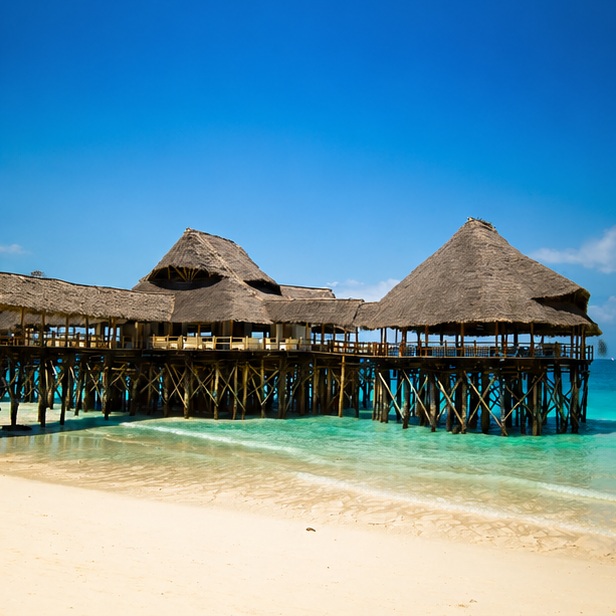
Few restaurants are as iconic as The Rock Restaurant. Perched on a rocky outcrop off Michamvi Beach, the restaurant is surrounded by the Indian Ocean and can be reached either by walking at low tide or by boat when the tide is high. Its spectacular setting makes it one of the most photographed dining locations in Africa. Fresh seafood, lobster and Swahili-inspired cuisine are among the highlights, but advance reservations are highly recommended during peak season.
Explore Forodhani Gardens Night Market
As evening falls, Forodhani Gardens transforms into one of Zanzibar’s best food markets. Local vendors prepare freshly grilled seafood, kebabs, chapatis and traditional Swahili dishes while visitors gather to enjoy the lively atmosphere along the waterfront.
Popular dishes include:
- Zanzibar pizza
- Grilled octopus
- Fresh lobster
- Sugarcane juice
- Urojo soup
- Mishkaki (grilled skewers)
- Fresh mango and passion fruit
It’s one of the best places to experience authentic local street food.
Watch the Sunset over the Indian Ocean
Sometimes the best activity is simply slowing down. Whether you’re relaxing on Nungwi Beach, sailing aboard a dhow, enjoying dinner at a beachfront restaurant or sitting on the seawall in Stone Town, Zanzibar’s sunsets are among the most beautiful in Africa. As the sky turns shades of orange, pink and purple, traditional fishing boats drift across the horizon, creating the perfect ending to another unforgettable day on the Spice Island.
Where to Stay in Zanzibar
Zanzibar offers accommodation for every type of traveller, from backpackers and solo adventurers to families, honeymooners and luxury seekers. Choosing where to stay depends largely on the kind of holiday you’re planning, as each part of the island has its own unique atmosphere.
Nungwi – Best for First-Time Visitors
Located on the northern tip of Zanzibar, Nungwi is one of the island’s most popular places to stay. Its beautiful beaches, excellent swimming conditions and wide selection of hotels make it an ideal base for first-time visitors. The area also has plenty of restaurants, beach bars, dive centres and excursion operators, ensuring there’s always something to do.
Best for:
- First-time visitors
- Families
- Couples
- Beach lovers
- Divers
- Sunset cruises
Accommodation options:
- Luxury beachfront resorts
- Boutique hotels
- Family-friendly hotels
- Budget guesthouses
- Beach villas
Kendwa – Best for Honeymoons and Relaxation
Just south of Nungwi, Kendwa offers a quieter atmosphere while still boasting one of Zanzibar’s finest beaches. The calm waters and spectacular sunsets make it especially popular with honeymooners and couples looking for a peaceful escape.
Best for:
- Honeymooners
- Couples
- Luxury holidays
- Swimming
- Relaxation
Paje-Best for Adventure and Digital Nomads
Paje has become one of East Africa’s leading destinations for kitesurfing and remote working. Its lively cafés, beach clubs and coworking spaces attract younger travellers, while its wide beaches provide plenty of room to relax.
Best for:
- Digital nomads
- Kitesurfers
- Solo travellers
- Backpackers
- Young couples
Jambiani – Best for Authentic Island Life
If you prefer a slower pace, Jambiani offers a peaceful alternative to the busier resorts. Traditional fishing boats line the shoreline, local cafés serve freshly caught seafood and the relaxed atmosphere makes it easy to disconnect from everyday life.
Best for:
- Couples
- Long stays
- Local experiences
- Budget travellers
- Quiet holidays
Matemwe – Best for Diving and Luxury Resorts
Situated along Zanzibar’s northeast coast, Matemwe is home to several luxury resorts overlooking the Indian Ocean. Its close proximity to Mnemba Atoll makes it one of the island’s best locations for snorkelling and scuba diving.
Best for:
- Luxury holidays
- Diving enthusiasts
- Honeymooners
- Peace and tranquillity
Stone Town – Best for Culture and History
If your priority is exploring Zanzibar’s fascinating history, Stone Town is the ideal place to stay. The historic centre offers boutique hotels housed in restored merchant buildings, allowing visitors to immerse themselves in the island’s rich heritage. Many travellers choose to spend one or two nights in Stone Town before heading to one of the beach resorts.
Best for:
- History lovers
- Culture enthusiasts
- Short stays
- Walking tours
- Food lovers
Accommodation Prices
Prices vary depending on the season, location and standard of accommodation.
| Accommodation Type | Typical Price per Night |
|---|---|
| Backpacker Hostel | From US$15–30 |
| Budget Guesthouse | From US$25–60 |
| Mid-range Hotel | From US$70–180 |
| Boutique Beach Hotel | From US$120–300 |
| Luxury Resort | From US$300+ |
| Private Beach Villa | From US$500+ |
Prices are generally highest during June to October and December to early January. Booking early is recommended during peak travel periods.
Local Food You Should Try
Zanzibar’s cuisine reflects centuries of cultural influences from Africa, Arabia, India and Persia. Fresh seafood, fragrant spices and tropical fruit combine to create one of East Africa’s most distinctive culinary experiences. Whether you’re dining at a luxury resort, enjoying fresh seafood on the beach or exploring Stone Town’s bustling food markets, there are plenty of delicious dishes to discover.
Zanzibar Pizza
Despite its name, Zanzibar pizza is nothing like traditional Italian pizza. It’s a freshly made dough filled with ingredients such as minced meat, vegetables, cheese, egg or chocolate before being folded and cooked on a hot griddle. It’s one of the island’s most famous street foods.
Fresh Seafood
Being surrounded by the Indian Ocean means seafood is available almost everywhere. Popular choices include:
- Grilled lobster
- King prawns
- Octopus
- Calamari
- Tuna
- Red snapper
- Barracuda
Many beachfront restaurants prepare the day’s catch just hours after it’s landed.
Octopus Curry
One of Zanzibar’s signature dishes, octopus curry combines tender octopus with coconut milk, tomatoes and aromatic spices for a rich and flavourful meal.
Pilau Rice
Pilau is a fragrant rice dish cooked with cloves, cinnamon, cardamom and other spices that have made Zanzibar famous around the world. It is often served alongside grilled meat, fish or curries.
Urojo Soup
Also known as Zanzibar Mix, Urojo is a unique local street food made with potatoes, crispy fritters, boiled eggs, chutneys and a tangy turmeric-based soup. It’s particularly popular in Stone Town.
Tropical Fruits
Thanks to the island’s fertile climate, visitors can enjoy an abundance of fresh fruit, including:
- Mangoes
- Pineapples
- Passion fruit
- Bananas
- Papayas
- Watermelon
- Coconuts
Fresh fruit juices are widely available and make the perfect refreshment on a hot day.
Forodhani Gardens Night Market
Every evening, Stone Town’s waterfront comes alive as local vendors prepare freshly grilled seafood, kebabs and traditional Swahili dishes. It’s one of the best places to sample authentic local cuisine while experiencing Zanzibar’s vibrant evening atmosphere.
Getting Around Zanzibar
Although Zanzibar is relatively small, travelling between beaches and attractions can take longer than expected due to road conditions and speed limits. Fortunately, there are several convenient ways to explore the island.
Airport Taxis
Licensed taxis are readily available outside Zanzibar International Airport. They offer a convenient option for reaching hotels across the island.
Approximate journey times:
| Destination | Travel Time |
|---|---|
| Stone Town | 15 minutes |
| Paje | 1 hour |
| Jambiani | 1 hour 10 minutes |
| Matemwe | 1 hour 15 minutes |
| Nungwi | 1 hour 20 minutes |
| Kendwa | 1 hour 20 minutes |
Many hotels also arrange private airport transfers, which can be booked in advance.
Private Drivers
Hiring a private driver for the day is a popular option if you plan to visit multiple attractions. Drivers often provide local knowledge and can tailor the itinerary to your interests.
Car Hire
Several companies offer rental cars at the airport and in Stone Town. While driving allows greater flexibility, visitors should be aware that:
- Driving is on the left-hand side.
- Roads outside main towns can be narrow and uneven.
- Local driving standards may differ from those in Europe.
- Visitors may need a temporary Zanzibar driving permit arranged through the rental company.
Dala-Dalas
Dala-dalas are Zanzibar’s shared minibuses and the cheapest way to travel around the island. While they provide an authentic local experience, they can become crowded and operate on flexible schedules, making them less convenient for visitors with luggage.
Scooter and Bicycle Hire
Scooters and bicycles are available in many tourist areas. They’re ideal for short journeys around quieter beach villages but should be used with caution due to varying road conditions.
Typical Travel Costs
One of Zanzibar’s biggest advantages is that it caters to almost every budget. While luxury resorts can be expensive, independent travellers can enjoy the island at a surprisingly reasonable cost.
Budget Traveller
- Hostel or guesthouse: From US$15–60 per night
- Local meals: US$3–10
- Airport taxi: US$15–30
- Dala-dala journey: Under US$2
- Spice tour: US$15–30
Estimated daily budget:
US$50–90
Mid-range Traveller
- Boutique hotel: US$70–180 per night
- Restaurant meals: US$10–25
- Private transfers
- Snorkelling excursions
- Sunset dhow cruise
Estimated daily budget:
US$150–300
Luxury Traveller
- Five-star beachfront resort
- Private villa
- Spa treatments
- Private diving excursions
- Fine dining
Estimated daily budget:
US$400+
Internet & SIM Cards
Staying connected in Zanzibar is straightforward, with reliable mobile coverage across most tourist areas. Hotels, cafés and restaurants generally offer free Wi-Fi, although speeds can vary depending on location. If you plan to work remotely, upload photos or navigate the island independently, purchasing a local SIM card is often the most economical option.
Major Mobile Networks
The main mobile providers in Zanzibar are:
- Vodacom Tanzania
- Airtel Tanzania
- Halotel
- Yas (formerly Tigo)
All offer prepaid SIM cards with affordable data packages.
Buying a SIM Card
SIM cards can be purchased at:
- Zanzibar International Airport
- Mobile network stores
- Shopping centres
- Convenience stores in major towns
To register a SIM card, you’ll typically need:
- Your passport
- A valid visa or entry stamp
- A small registration fee (if applicable)
Registration usually takes only a few minutes.
Mobile Data
Mobile data is generally fast enough for:
- Google Maps
- Video calls
- Social media
- Online banking
- Streaming music
- Remote work in most tourist areas
Coverage is strongest around Stone Town, Nungwi, Kendwa, Paje and Jambiani, though speeds may be slower in more remote parts of the island.
eSIM Options
Many international travellers now choose an eSIM before departure, allowing them to activate mobile data as soon as they arrive without changing their physical SIM card. This can be a convenient option for short stays, particularly if your phone supports eSIM technology. Whether you’re planning a backpacking adventure, a family beach holiday or a luxury honeymoon, Zanzibar offers accommodation, dining and transport options to suit every budget. With good mobile connectivity, welcoming hospitality and a wide choice of places to stay, exploring the Spice Island is both convenient and rewarding.
Money, Cards and Currency in Zanzibar
One of the most common questions visitors ask is whether they should exchange money before arriving or simply use their bank card while travelling around Zanzibar. The good news is that both cash and cards are widely used, although knowing when to use each can help you save money and avoid unnecessary fees.
The Local Currency
The official currency is the Tanzanian Shilling (TZS). While many hotels, resorts and tour operators quote prices in US dollars, everyday purchases such as local transport, markets, cafés and small restaurants are usually paid for in Tanzanian Shillings.
Having some local currency is useful for:
- Airport taxis
- Dala-dalas (local minibuses)
- Street food
- Local markets
- Small cafés
- Tips
- Souvenirs
- Smaller excursions
Can You Use Credit and Debit Cards?
Yes. Most larger hotels, beach resorts, dive centres, supermarkets and established restaurants accept international Visa and Mastercard cards. However, smaller businesses may only accept cash, particularly outside the main tourist areas. It’s also worth noting that some businesses charge an additional 3-5% card processing fee, so ask before paying.
Should You Exchange Cash Before Travelling?
For most travellers, there is no need to exchange large amounts of Tanzanian Shillings before leaving home. Exchange rates outside Tanzania are often less competitive, and Tanzanian Shillings can sometimes be difficult to obtain abroad. Instead, many visitors exchange a small amount after arriving at the airport or withdraw local currency from an ATM.
Using a Travel Card with No Foreign Transaction Fees
For many international travellers, using a debit or travel card that offers competitive exchange rates and no foreign transaction fees can be one of the most convenient and cost-effective ways to pay. Cards from providers such as Revolut, Wise, Starling Bank, Monzo, or similar multi-currency accounts (where available in your country) often provide exchange rates that are closer to the market rate than traditional currency exchange bureaux. When paying by card or withdrawing cash, always choose to be charged in Tanzanian Shillings (TZS) rather than your home currency if given the option. This helps avoid Dynamic Currency Conversion (DCC), which often results in a less favourable exchange rate.
Our Recommendation
For most visitors, a combination of cash and card payments offers the greatest flexibility.
A practical approach is to:
- Use a travel-friendly debit or credit card for hotels, restaurants and larger purchases.
- Withdraw or exchange a modest amount of Tanzanian Shillings for local transport, markets and small businesses.
- Keep a small reserve of US dollars for emergencies or operators that prefer USD.
This approach allows you to benefit from competitive exchange rates while ensuring you’re prepared for places where card payments aren’t accepted.
Travel Tip: Before you leave, check whether your bank charges foreign transaction or ATM withdrawal fees. Choosing a card with low or no overseas fees can save you money over the course of your trip, especially if you’re making multiple purchases or cash withdrawals.