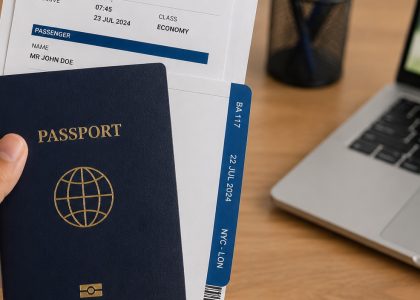

You search for a flight today and it’s €620, the next morning it’s €740, a week later you see someone on Facebook claiming they booked the exact same flight for €495
- Is the airline changing prices randomly?
- Why did the price increase overnight?
- Why did someone else pay less?
- Are airlines simply charging whatever they want?
The answer is more interesting than most people realise. Airline ticket pricing is one of the most sophisticated pricing systems in the world. Every day, airlines analyse demand, competition, operating costs and booking patterns to decide how much each seat should cost. Unlike many products, an airline seat has an expiry date, once a flight departs, any empty seat is lost forever. Understanding how airline pricing works can help you book with greater confidence, avoid common misconceptions, and recognise when a fare represents genuine value. Whether you’re travelling from London to Harare, Dublin to Harare, London to Lagos, Manchester to Abuja, Amsterdam to Accra, Dublin to Lusaka, Paris to Nairobi, Frankfurt to Addis Ababa, London to Johannesburg, Brussels to Kigali, Zurich to Zanzibar, or almost anywhere else in the world, the same airline pricing principles apply.
Likewise, it generally doesn’t matter which airline you choose. Whether you’re flying with Air Zimbabwe, South African Airways, FlySafair, Airlink, Air Peace, United Nigeria Airlines, Emirates, Qatar Airways, Ethiopian Airlines, Kenya Airways, RwandAir, EgyptAir, Turkish Airlines, Lufthansa, British Airways, KLM, or another carrier, ticket prices are influenced by the same core factors: demand, seat availability, competition, operating costs, seasonality, baggage options, and the time remaining until departure.
There Is No Single Price for a Flight
One of the biggest misconceptions about air travel is that every passenger pays the same price. In reality, dozens, even hundreds of different prices may exist for the very same Economy cabin. Imagine an aircraft with 250 seats.
The airline may release:
| Seats Available | Price |
| First 25 seats | €420 |
| Next 40 seats | €495 |
| Next 60 seats | €580 |
| Next 70 seats | €695 |
| Remaining seats | €820+ |
As the cheaper seats are sold, the booking system automatically makes the next price level available. This means two passengers sitting next to each other may have paid completely different prices. Neither paid the “wrong” fare they simply booked under different market conditions.
Every Seat Is Perishable
Unlike a hotel room that might still generate revenue tomorrow, an airline seat disappears forever once the aircraft takes off. If Flight AB123 departs with ten empty seats, those seats can never be sold again. For airlines, this creates a constant balancing act:
- Sell too cheaply and lose revenue.
- Price too high and risk flying with empty seats.
Their goal is not to sell every seat at the lowest possible fare. Their goal is to maximise the total revenue from the entire aircraft. This is known as revenue management, and it forms the foundation of modern airline pricing.
Why Flight Prices Change
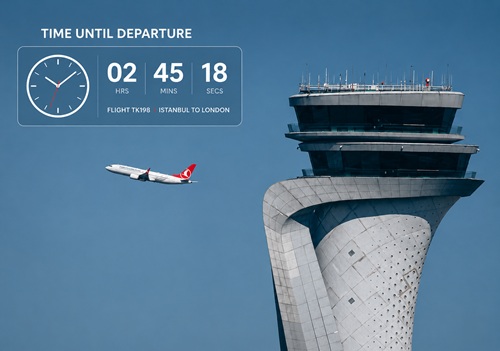
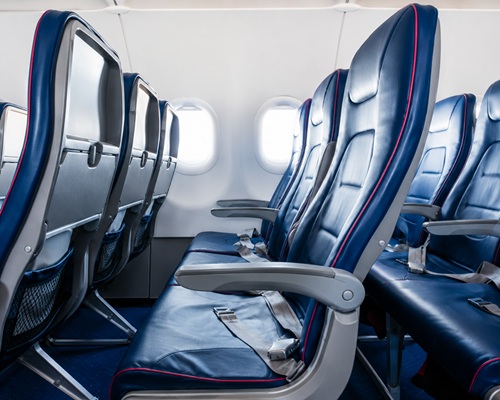
There isn’t a single reason why fares increase or decrease. Instead, dozens of factors influence pricing simultaneously.
1. Demand
If many people are searching for flights during Christmas, Easter or school holidays, prices usually rise. High demand means the airline knows those seats are likely to sell.
2. Remaining Seats
When only a handful of seats remain, lower-priced fare classes are often no longer available. As availability decreases, prices generally increase.
3. Time Until Departure
Flights booked many months in advance often have access to promotional fare inventory. Closer to departure, cheaper fare classes may already be sold out. However, contrary to popular belief, last-minute prices don’t always increase. If demand is weaker than expected, airlines may reduce prices to encourage additional bookings.
4. Competition
Competition plays a major role. If another airline launches a sale on the same route, competitors frequently respond with their own promotions. Likewise, when only one airline serves a particular route, prices may remain higher because travellers have fewer alternatives.
5. Seasonal Travel
Some destinations experience enormous swings in demand throughout the year.
Examples include:
- European summer holidays
- Christmas travel
- Easter
- School holidays
- Religious pilgrimages
- Major sporting tournaments
- Festivals and conferences
Travelling just one or two weeks outside these peak periods can sometimes save hundreds of euros.
What Social Media Flight Prices Really Mean
One of the biggest causes of confusion comes from airline advertisements on Facebook, Instagram and other social media platforms.
You might see an advert stating:
Flights from London to Harare from £419
Many travellers assume every available seat costs £419. Unfortunately, that’s rarely how airline pricing works.
The word “from” is extremely important.
It means:
- the lowest qualifying fare
- available on selected dates
- while promotional inventory lasts
- subject to booking conditions
It does not mean every departure throughout the year will be sold at that price. By the time many people decide to book, those promotional seats may already have been sold.
Why Promotional Launch Prices Don’t Last Forever
When airlines launch new routes or introduce a new service, they often release promotional fares.
These special prices are designed to:
- create excitement
- generate media coverage
- encourage early bookings
- introduce customers to the route
- fill aircraft quickly
Think of it like the opening of a new supermarket. A shop might advertise milk or bread at an exceptionally low price during its opening week. Once the promotion ends, prices return to normal. Airlines operate in a very similar way. When promotional fare allocations sell out, the booking system simply moves to the next available pricing level. This doesn’t necessarily mean the airline has increased prices. More often, it means the promotional inventory has been exhausted.
Why Two Passengers Pay Different Prices
Imagine these two travellers.
Traveller A
- Booked six months early
- Flexible travel dates
- Carry-on baggage only
- Mid-week departure
Final fare: €480
Traveller B
- Booked two weeks before departure
- Weekend travel
- Checked luggage
- School holiday period
Final fare: €790
Both passengers may be sitting in adjacent seats. Neither received special treatment. Their booking circumstances were simply different.
Understanding Baggage Pricing
Another common source of confusion is baggage. Many travellers compare only the headline fare. However, different tickets often include different services.
For example:
| Ticket Type | What’s Included |
| Basic Economy | Cabin baggage only |
| Standard Economy | Checked bag included |
| Flexible Economy | Checked bag, seat selection and ticket changes |
Optional extras may include:
- Checked baggage
- Extra cabin luggage
- Seat selection
- Priority boarding
- Sports equipment
- Flexible ticket changes
- Lounge access
Someone travelling with only a backpack shouldn’t be paying for services they don’t need. Separating these services allows airlines to offer lower entry-level fares while letting travellers customise their journey.
Why Flights Sometimes Become Cheaper Again
Many people believe airline prices only move upwards. That isn’t always true.
Prices can fall when:
- bookings are slower than expected
- another airline launches a sale
- additional flights are added
- seasonal demand weakens
- airlines want to stimulate sales
This explains why waiting sometimes pays off, and sometimes doesn’t. Unfortunately, nobody can guarantee which way prices will move.
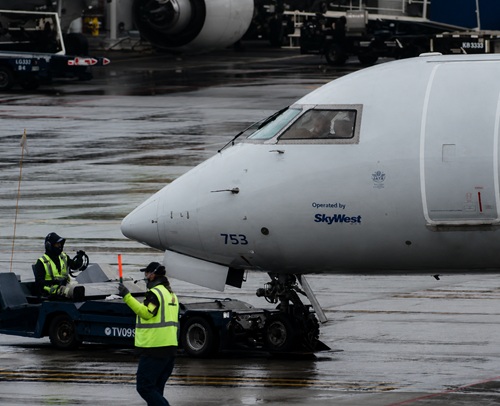
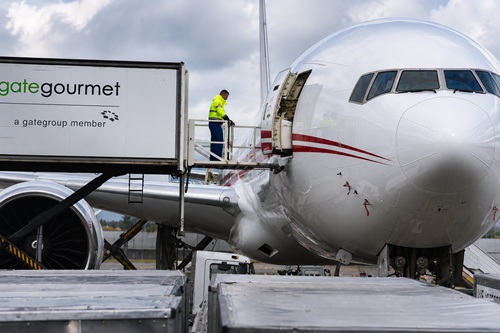
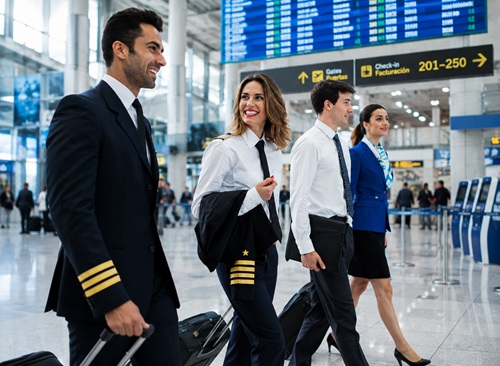
Many travellers see the ticket price but rarely think about what it actually costs to operate an international flight. A modern wide-body aircraft flying between Europe and Africa represents an enormous financial commitment. Every departure involves hundreds of people and numerous organisations working together.
Some of the largest costs include:
Aircraft Leasing or Financing
Many airlines don’t own every aircraft outright. Instead, they lease aircraft for substantial monthly payments.
Fuel
Jet fuel is one of the largest operating expenses. A long-haul aircraft consumes many tonnes of fuel during a single journey. Fuel prices also fluctuate significantly throughout the year, directly affecting airline operating costs.
Flight Crew
Each flight requires:
- highly trained pilots
- cabin crew
- recurrent training
- accommodation on overnight stops
- transport
- allowances
Aircraft Maintenance
Aircraft undergo continuous inspections throughout their lives. Maintenance includes:
- engines
- landing gear
- tyres
- avionics
- safety inspections
- replacement parts
- scheduled heavy maintenance checks
Safety standards leave no room for compromise.
Airport Charges
Every airport charges airlines for using its facilities. Typical costs include:
- landing fees
- passenger service charges
- aircraft parking
- terminal usage
- security
- baggage handling
- ground handling
- air traffic navigation charges
Catering
Even a simple meal involves:
- preparation
- transport
- refrigeration
- loading
- waste disposal
Insurance
Commercial aircraft require extensive insurance covering:
- the aircraft itself
- passengers
- crew
- liability
- operational risks
Why Airlines Need Full Aircraft
One empty seat represents lost revenue. An aircraft that departs half full still incurs almost all of the same operating costs:
- fuel
- crew
- airport charges
- maintenance
- insurance
This is why airlines work so hard to maximise occupancy. A full aircraft spreads those fixed costs across more passengers.
Do Airlines Make Huge Profits?
Many people assume airlines earn enormous profits from expensive tickets. In reality, aviation has historically been a challenging industry with relatively modest profit margins compared with many other sectors. Several factors influence profitability, including:
- fuel prices
- currency exchange rates
- competition
- aircraft utilisation
- weather disruptions
- airport capacity
- maintenance costs
A successful airline relies on filling seats consistently while carefully managing costs over thousands of flights each year.
How Airlines Actually Make Money
Ticket sales are only part of the picture. Many airlines also generate revenue from:
- Business Class and Premium cabins
- Cargo carried beneath passenger aircraft
- Seat selection
- Checked baggage
- Holiday packages
- Travel insurance
- Airport lounges
- Frequent flyer partnerships
- On-board food and shopping
These additional services help support the overall economics of operating an airline.
When Is the Best Time to Book Flights?
There is no magic day of the week that guarantees the cheapest airfare. The best booking time depends on:
- your destination
- travel season
- demand
- school holidays
- airline competition
- special events
Instead of relying on internet myths, it’s better to monitor your chosen route over time. Tripenger’s destination and route guides include useful information such as:
- popular travel seasons
- typical fare ranges
- estimated flight durations
- route information
- travel tips
Having route-specific information makes it easier to judge whether today’s fare represents good value.
Common Myths About Airline Pricing
Myth: Airlines increase prices because you searched yesterday.
Not usually. Prices change continuously as inventory, demand and market conditions evolve.
Myth: Tuesdays are always the cheapest day to book.
Sometimes, but certainly not always. There is no universal rule.
Myth: Flight prices only increase.
False. Prices sometimes decrease if demand is weaker than expected.
Myth: Every passenger pays the same amount.
Definitely not. Passengers on the same flight frequently pay very different prices.
Myth: The cheapest advertised fare is available every day.
No. Most advertised prices are promotional “from” fares with limited availability.
How to Save Money on Flights
While nobody can predict airline prices perfectly, a few practical habits can improve your chances of finding a better fare:
- Book well before peak travel periods.
- Be flexible with your departure dates if possible.
- Compare different airports when practical.
- Travel outside school holidays where you can.
- Check what baggage is included before comparing prices.
- Compare the total cost, not just the advertised base fare.
- Monitor your preferred route rather than relying on travel myths.
Small adjustments to your travel plans can sometimes make a surprisingly large difference.
Take aways
Airline pricing can appear unpredictable, but it is far from random. Every ticket price reflects a complex combination of demand, competition, operating costs, remaining seat availability, travel season and commercial strategy. Understanding these principles helps travellers make better decisions, compare fares more fairly and avoid disappointment when promotional prices are no longer available. The next time you see a flight advertised “from £419” or notice prices changing from one week to the next, you’ll know that you’re seeing the result of a sophisticated system designed to balance supply, demand and the realities of running an airline. Rather than chasing the impossible goal of finding the absolute lowest fare, focus on booking when the price fits your budget and travel plans. In many cases, the best flight isn’t necessarily the cheapest, it’s the one that offers the right balance of value, convenience and flexibility. At Tripenger, we believe informed travellers make better travel decisions. That’s why our route guides, destination pages and flight comparison tools are designed to help you understand not just what flights cost, but why they cost what they do.