
You have booked the flight, packed your bags and started thinking about your destination. Then the thought arrives: I actually have to get on the plane. For some travellers, flying is simply part of the journey. For others, takeoff, turbulence, unfamiliar noises or the feeling of being thousands of feet above the ground can make the experience uncomfortable. You might be perfectly happy planning a holiday to Zanzibar, South Africa, Dubai, Spain, visiting family in Zimbabwe, flying from London to Lagos or heading somewhere completely new, yet still feel nervous the moment you sit down and fasten your seatbelt.
One thing that can help is understanding what is happening around you.
Aircraft are noisy machines. They accelerate, climb, turn, reduce power, extend mechanical components and occasionally travel through uneven air. When you do not know why something is happening, an ordinary part of the flight can feel much more dramatic than it really is.
Here are six things you can try to make your next flight feel a little less intimidating.
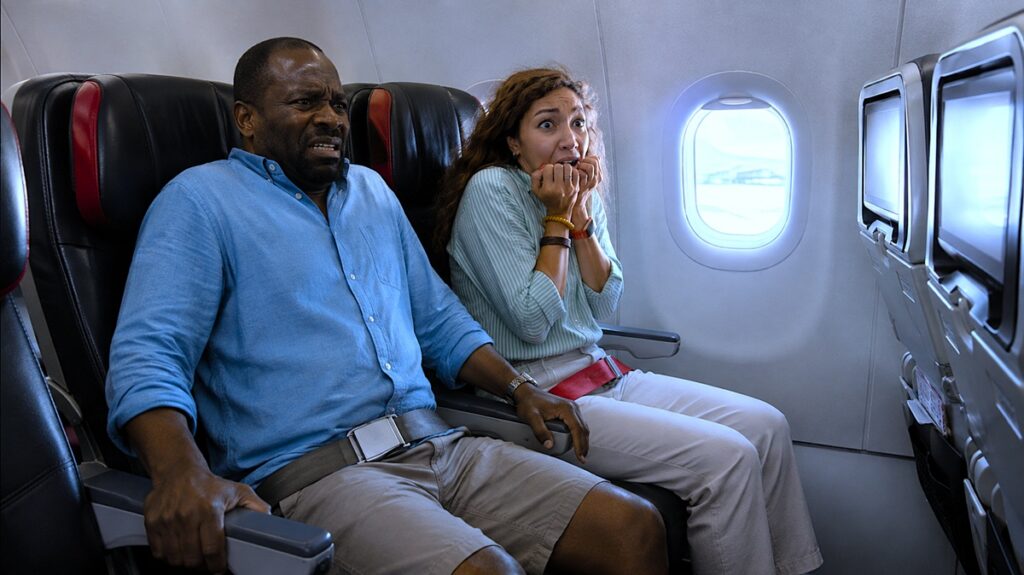
1. Understand the strange sounds you hear on a plane
One of the easiest ways for anxiety to grow is to hear an unfamiliar sound and immediately wonder:
What was that?
There are plenty of noises during a normal flight, and many of them happen at predictable points.
The engines suddenly sound different after takeoff
During takeoff, the engines are producing significant thrust as the aircraft accelerates and climbs. Once the aircraft is safely climbing, the thrust setting can be adjusted. From the cabin, you may notice the engine sound becoming quieter or changing pitch. If you were expecting the engines to maintain exactly the same sound all the way to cruising altitude, the change can be surprisingly noticeable. It does not automatically mean that something has gone wrong :).
A thump or mechanical noise shortly after takeoff
This may be the landing gear retracting. After the aircraft leaves the runway and begins climbing, the wheels are no longer needed. They are retracted into the aircraft, and passengers may hear mechanical noises or feel a small vibration as this happens.
Whirring or mechanical sounds from the wings
Aircraft wings change configuration during different parts of the flight. Flaps and other wing surfaces are used particularly around takeoff and landing. Depending on where you are sitting, you may hear motors or mechanical sounds as these surfaces move.
The engines sound quieter during the flight
Engine noise does not remain constant. Pilots adjust thrust according to the phase of flight, altitude, speed and operational requirements. Changes are particularly noticeable after takeoff and during descent.
More mechanical noises before landing
As your aircraft gets closer to the airport, you may hear several things happening within a relatively short period. The flaps may be extended in stages. Eventually, the landing gear comes down. You may hear a rumbling, hydraulic or mechanical sound followed by a noticeable thump as the gear locks into position. If you know that these sounds are likely to happen, hearing them can become less mysterious. Instead of thinking, “What is going wrong?”, you may find yourself thinking, “We must be getting close to landing.”
2. Try not to interpret every bit of turbulence as danger
For nervous flyers, turbulence can be the hardest part of the journey. One minute the flight is perfectly smooth. The next, your drink moves on the tray table and the aircraft begins to shake. It can feel dramatic from your seat. Turbulence is movement in the surrounding air and can occur for several reasons, including weather systems, jet streams and airflow around mountains. It can also happen when the sky outside looks completely clear. The best thing you can do as a passenger is simple:
Keep your seatbelt fastened whenever you are seated and follow instructions from the crew.
The FAA advises passengers to remain buckled while seated because unexpected turbulence can cause injuries if people are thrown from their seats. In more severe turbulence, unsecured items may also be displaced, and overhead bins can sometimes open, allowing bags or other objects to fall into the cabin. If turbulence starts and you feel yourself becoming anxious, try to avoid watching every movement of the wing or analysing every bump. Put your feet comfortably down, relax your shoulders and remind yourself that the flight crew are continuing to operate the aircraft. And if the seatbelt sign comes on, take it seriously.
3. Give your brain something else to do
There is a big difference between experiencing a two-minute patch of turbulence while watching a good film and experiencing the same turbulence while staring at the seatbelt sign and waiting for the next bump.
Before travelling, prepare some entertainment specifically for the flight.
You might:
- download two or three films or episodes to your phone or tablet;
- create a playlist that you find relaxing;
- download a podcast;
- bring a book;
- play an offline game;
- work on something that requires a little concentration;
- talk to the person travelling with you.
Do not rely entirely on the aircraft having Wi-Fi or on the inflight entertainment system containing something you actually want to watch.
Download your entertainment before leaving home.
A comfortable pair of headphones can also be useful. Aircraft cabins contain a constant mixture of engine noise, airflow, announcements, movement from the galley and conversations from other passengers. Reducing some of that background noise may make it easier to settle into the journey. There is another advantage to distraction: it helps break the cycle of constantly checking for signs that something is wrong. You do not need to spend the entire flight monitoring the aircraft, let the pilots do that.
4. Choose a seat that makes you feel more comfortable
There is no single “best” seat for every nervous flyer. What bothers you most should influence your choice.
If you dislike feeling aircraft movement
Some nervous flyers prefer sitting closer to the wing area, where aircraft movement can sometimes feel less pronounced than it does farther towards the rear. It will not make turbulence disappear, but you may prefer the sensation.
If looking outside reassures you
Choose a window seat. Being able to see the horizon, clouds and landscape below can help some people understand how the aircraft is moving. For other nervous flyers, looking down from 35,000 feet is precisely what they do not want to see. In that case, choose the aisle.
If feeling trapped makes you uncomfortable
An aisle seat may give you a greater sense of space and make it easier to get up when the seatbelt sign is off.
If aircraft sounds make you nervous
Think carefully about sitting immediately beside the engines or in areas where mechanical sounds are more noticeable. The important thing is not finding some mythical perfect seat. It is choosing a seat that removes one unnecessary source of stress from your journey. When comparing flights on Tripenger, remember to look beyond price alone. Flight duration, connections, departure times and the overall journey can also affect how comfortable the trip feels. A nervous flyer may reasonably prefer a straightforward itinerary over saving a small amount of money on a journey involving several connections.
What about smaller aircraft? Are bigger planes better for nervous flyers?
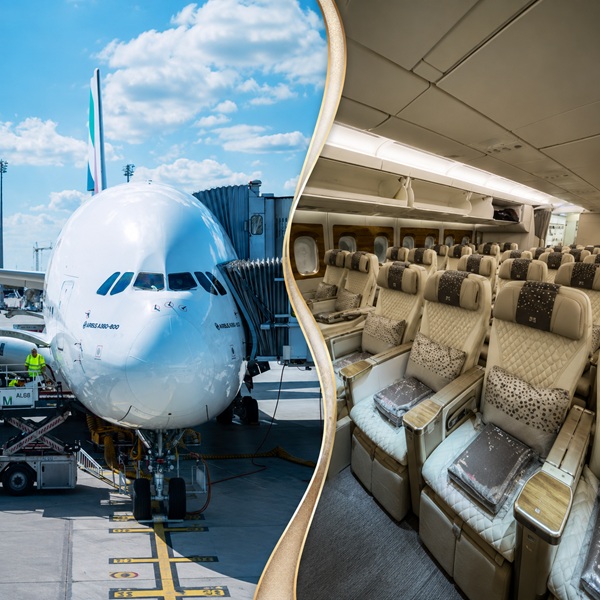
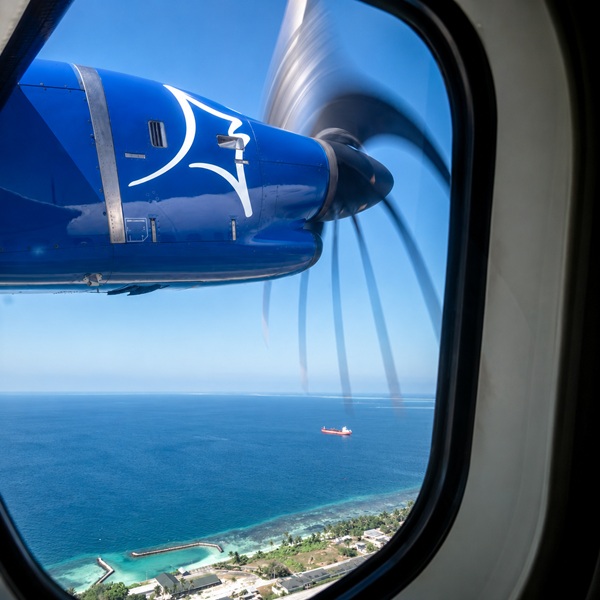
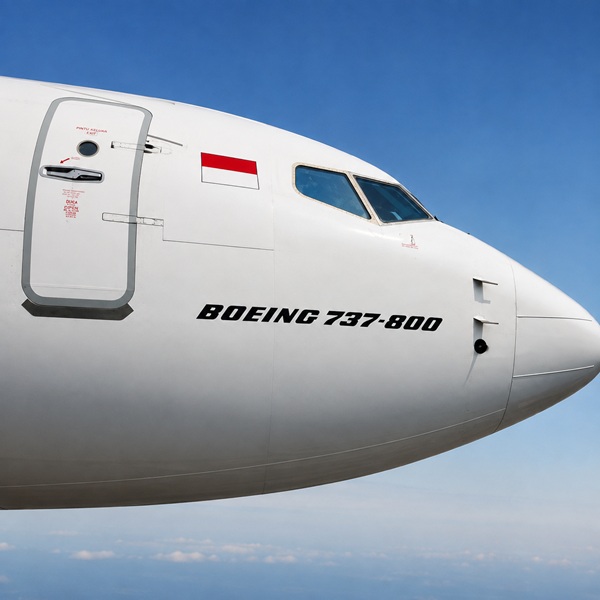
Some nervous flyers feel comfortable stepping onto a large Boeing 777, Airbus A350 or A380, but become anxious when they see a much smaller aircraft waiting at the gate. If that sounds familiar, you are not alone. A smaller aircraft can feel different, but smaller does not automatically mean unsafe. On regional routes, airlines often use smaller jets or turboprop aircraft simply because there are fewer passengers travelling that route, the flight is relatively short, or the destination airport is better suited to that type of aircraft. You may notice some differences.
You may feel more movement
On a smaller aircraft, bumps, turns and changes in altitude can sometimes feel more noticeable to passengers. A larger wide-body aircraft has much more mass, and many travellers perceive its movement as smoother or less pronounced. That does not mean a smaller aircraft cannot safely fly through normal turbulent conditions. Turbulence is a normal part of aviation, and pilots take weather conditions, turbulence forecasts and operational limits into account when planning and conducting a flight. Turbulence is described as a normal and frequent occurrence and passengers are advised to remain buckled while seated because unexpected turbulence can cause injuries.
The cabin can feel very different
A large long-haul aircraft may have:
- two aisles;
- higher ceilings;
- larger overhead bins;
- several cabin sections;
- more toilets;
- hundreds of passengers;
- larger wings and engines.
Move onto a regional aircraft and suddenly there may be only two seats on each side, a narrow aisle and fewer rows. For someone who is already nervous, that change in scale can make the aircraft feel less substantial, even though its size alone does not tell you whether it is safe.
Smaller aircraft can also sound different
This is particularly noticeable when moving between jet aircraft and turboprops. If your flight uses a turboprop, you may hear and sometimes feel more propeller noise and vibration than you would on a large long-haul jet. That does not automatically indicate a mechanical problem. It is simply a different type of propulsion and a different cabin environment. Similarly, sitting closer to an engine or propeller can make normal aircraft sounds much more noticeable.
Bigger does not automatically mean safer
It is understandable to look at an enormous wide-body aircraft and think:
“I’d rather be on that.”
And if flying on a larger aircraft genuinely makes you feel calmer, there is nothing wrong with considering aircraft type when choosing your flight. But try not to turn small aircraft = dangerous into a rule in your mind. Commercial aircraft operate under certification, maintenance and operational requirements appropriate to their category and type. Aircraft size is only one characteristic of the aeroplane; it is not a simple measure of whether your particular flight is safe.
If you are a nervous flyer, check the aircraft before booking
When several flight options are available, you may sometimes be able to see the planned aircraft type before you book. If you know that you feel considerably calmer on a larger jet or wide-body aircraft, that information can help you choose an itinerary you are more comfortable with. Just remember that airlines can occasionally change aircraft types for operational reasons, so the aircraft shown at booking is not always guaranteed. For some travellers, choosing a larger aircraft is therefore less about safety and more about comfort and confidence. If a wide-body aircraft makes the experience feel less intimidating, that may be a perfectly reasonable factor to consider when planning your journey.
5. Learn what actually happens during a flight
Flying becomes much less mysterious when you understand what comes next. A normal passenger flight can be thought of as several stages:
Boarding
You find your seat, store your hand luggage and fasten your seatbelt. You may hear various noises while the aircraft is still at the gate. Bags are being loaded, doors are being prepared, ground equipment is operating outside and the crew are getting the aircraft ready for departure.
Taxi
The aircraft begins moving towards the runway. There may be several stops and turns along the way. A long taxi does not necessarily mean there is a problem. Busy airports can have queues of aircraft waiting to depart.
Takeoff
The aircraft enters the runway and accelerates. This is one of the loudest and most physically noticeable parts of the journey. You feel yourself pushed backwards into your seat as the aircraft gains speed. The nose then rises and the aircraft leaves the runway.
Climb
After takeoff, the aircraft continues towards its cruising altitude. You may hear the landing gear retract, notice engine power changes and see the wing configuration gradually change. The aircraft may also turn after takeoff as it follows its assigned departure route, depending on your destination, air traffic control instructions and the airport’s departure procedures.
Cruise
Eventually, the aircraft reaches the main cruising portion of the journey. The seatbelt sign may be switched off, cabin crew begin their normal service and passengers settle in. Even during cruise, however, the aircraft may occasionally encounter turbulence, which is one reason aviation authorities recommend keeping your seatbelt fastened while seated.
Descent
Eventually, you may feel the aircraft begin gradually descending. Engine noise can change. The aircraft may turn several times as air traffic control guides it towards the airport. Your ears may also react to the changing cabin pressure.
Landing
As the aircraft approaches the airport, its configuration changes again. Flaps are extended and the landing gear is lowered. The runway gets closer, the aircraft touches down and you may hear significant noise as it decelerates. Then you taxi to the terminal. And just like that, the part of the journey you may have spent days worrying about is over.
6. What if the cabin crew suddenly start moving quickly or using the interphone?
If you are already nervous about flying, seeing cabin crew suddenly walking quickly through the cabin, speaking to each other or picking up the interphone can make you wonder whether something is wrong. But this does not automatically mean there is an emergency.
Cabin crew communicate with each other and with the flight deck throughout a normal flight. They may use the aircraft’s interphone to:
- speak with the pilots about upcoming turbulence or weather;
- confirm that the cabin is secure before takeoff or landing;
- coordinate when to begin or stop the inflight service;
- report a passenger who is unwell or needs assistance;
- discuss a seatbelt, baggage or cabin issue;
- coordinate duties between different sections of a large aircraft;
- receive information about the descent, landing or arrival;
- quickly return to their assigned positions when the aircraft is approaching turbulence or another phase of flight.
You may also occasionally see cabin crew walking quickly back to their seats. For example, the pilots may have advised them that turbulence is approaching and asked them to secure the cabin and sit down. To a nervous passenger, the sudden movement can look alarming. For the crew, however, it may simply be part of responding promptly to operational instructions. Similarly, hearing the cabin interphone ring several times does not necessarily indicate a problem. On many flights, it is simply how the cabin crew and pilots communicate with one another. Rather than trying to interpret every movement or phone call, remember that cabin crew are trained to react quickly and efficiently when instructions are given. Seeing them communicate or move with purpose is not, by itself, a sign that the aircraft is in danger.
Sounds That Can Scare You on a Plane, But Are Often Part of a Normal Flight
Here is a useful mental cheat sheet:
| What you notice | What may be happening |
|---|---|
| Engines become quieter after takeoff | Thrust is being adjusted during the climb |
| A thump underneath the aircraft | Landing gear may be retracting or extending |
| Mechanical noise around the wings | Flaps or other wing surfaces may be moving |
| Aircraft suddenly turns after takeoff | Following its planned departure routing |
| Engine sound changes during descent | Thrust is being adjusted during descent and may sometimes be reduced to or near idle, depending on the aircraft’s speed, descent profile and air traffic control instructions. |
| Several noises shortly before landing | Flaps and landing gear are being configured |
| Strong noise after touchdown | The aircraft is decelerating after landing, and reverse thrust may be engaged to help slow it down. |
| The aircraft feels tilted upwards | The aircraft is likely climbing, particularly after takeoff. |
| The aircraft feels tilted slightly downwards | The aircraft may be descending towards a lower altitude or preparing for landing. |
Aircraft types differ, so the exact sounds and sensations will not be identical on every flight. The point is not to memorise every noise. It is to remember that a change in sound does not automatically mean a problem.
What if you start feeling panicked during the flight?
Sometimes knowing how an aircraft works is not enough and anxiety still becomes overwhelming. Try bringing your attention back to something simple and immediate. Place both feet comfortably on the floor. Relax your jaw and shoulders if you notice yourself tensing them. Then concentrate on breathing slowly and comfortably rather than taking rapid breaths. Health experts guidance suggests allowing the breath to move comfortably into the belly, breathing gently in through the nose and out through the mouth, with slow counting if that helps. You can also choose something around you to concentrate on: the seat in front of you, a photograph on your phone, your music, your travelling companion or even counting objects you can see inside the cabin. And remember that you do not need to hide the fact that you are nervous.
Tell a member of the cabin crew.
They deal with nervous passengers regularly and may be able to explain what is happening or simply reassure you during a difficult part of the flight. If your fear of flying is severe, causes panic attacks, prevents you from travelling or significantly affects your life, consider discussing it with a qualified healthcare or mental-health professional. Specialist fear-of-flying programmes may also be worth exploring. This article is general travel information and is not a substitute for individual medical or mental-health advice.
You do not have to love flying to travel
You may never become the passenger who gets excited when turbulence starts or spends the entire journey staring out of the window, that’s okay. The goal does not have to be to love flying. It can simply be to understand it well enough that the unfamiliar sounds, sensations and stages of the journey feel less frightening. The next time the landing gear retracts with a thump, the engines become quieter after takeoff or the aircraft starts descending towards your destination, you may recognise what is happening rather than immediately imagining the worst. And sometimes, understanding what is happening is enough to make the journey feel much easier.
Ready for your next journey?
When you’re ready to travel, search and compare flights with Tripenger and choose an itinerary that works for you, whether you’re heading home, visiting family and friends, travelling for work or taking your next holiday.